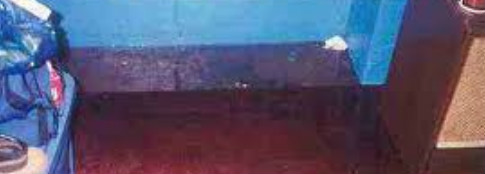
The Water is Seeping by Means of The Ground to The Room under
Whereas hurricanes and floods are the reason for 1000's of Water Damage claims each year, Water Damage is not restricted to the wrath of storms. Burst pipes, clogged water strains, toppled water heaters, overflowing bathrooms, and automatic fireplace sprinklers additionally trigger their fair share of flooding. Not only should you cease the water from flowing, you must also mop it up. Where to begin? Listed below are a few pointers.
First, it is important to shut off the water with a view to decrease the Water Damage. This might be as simple as reaching behind the bathroom and shutting off the valve or as difficult as finding the house's primary water shut off valve. Take the time now, before a flood, to find the main shut off valve and learn to shut off the water. This valve is usually situated exterior the house in a utility box. Contact your water utility if you're not in a position to locate it.
While you're at it, discover out the place your own home's electrical fuse field or circuit box is located and learn to flip off power to your home safely. Water and electrical energy are a deadly combination. Depending on the character of the flooding, you might need to turn off power to sure areas of the house or the entire building.
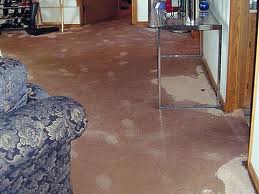
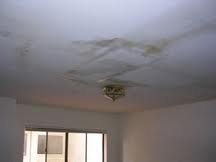
Upon getting the water and energy shut off, you'll be able to begin mopping up. If the water is still dripping, take preventative action. For instance, if the flood occurred upstairs and the water is seeping by means of the ground to the room under, place containers beneath to capture the water if potential or cowl the carpet with a tarp and place towels on prime to soak up the water. If the ceiling is sagging, it implies that water is accumulating there. It would eventually burst or seep through. Once the ground is protected, poke tiny holes within the ceiling and launch the water.
Mop up the Water Damaged area using absorbent sponges or a moist/dry vacuum cleaner (if it is secure to do so). Remove as much excess water as possible. Transfer furniture from the damaged space and dry it off completely. If the upholstery is broken, remove the cushions, use absorbent sponges to soak up as much water as potential, and place outdoors to dry.
If the walls are affected, take away work and place them in a protected location. It's possible you'll have to remove wallpaper and repaper the walls as soon as every part has dried out due to the mould concerns.
Open the doors and home windows if it's dryer exterior to assist take away moisture and pace up the drying process. It is important to dry out the world fully to reduce the prospect of mildew setting in.
Now that you have the fundamental mop-up complete, you will have a few phone calls to make. Name your insurance coverage agent to see if the injury is roofed and your native water restoration firm to assist with repairs.